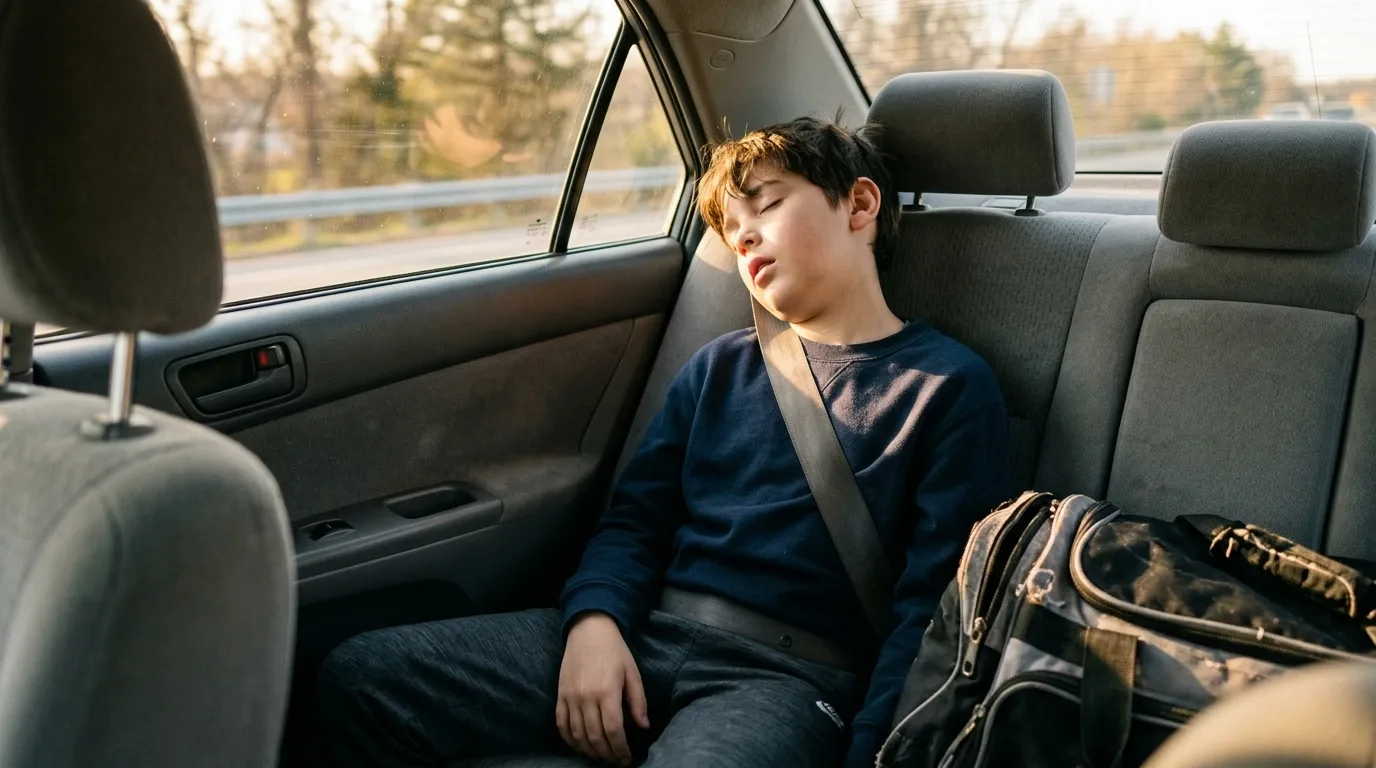
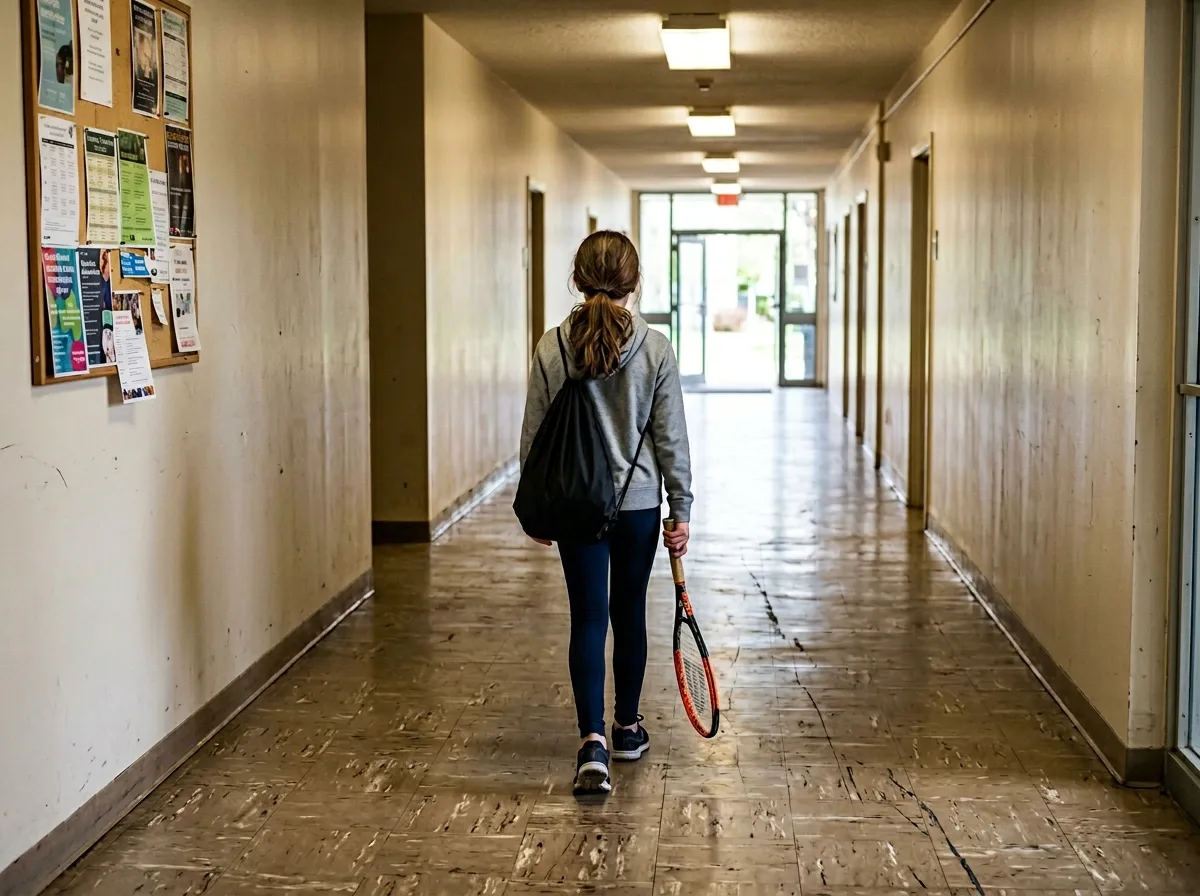
For years, the youth sport conversation has been framed as a simple debate: early specialisation increases injury risk, and sport sampling protects development. The research supporting diversified movement is strong. But something important has changed.
The specialisation debate misses the point. The real question is whether total demand (across all sports, all seasons, all life) is aligned with what a young person can actually sustain. R1 exists to make that alignment visible.
Youth sport today is not the same environment it was twenty or thirty years ago. Sampling used to mean different types of practice, informal play, limited competition, and seasons that didn’t overlap. Today, it often means multiple formalised seasons, overlapping competitions, travel expectations, year-round exposure, and pressure to demonstrate commitment. In this environment, playing multiple sports doesn’t just diversify movement. It can unintentionally multiply stress.
The issue isn’t just specialisation. It’s unmanaged, unregulated load in a competition-first system.
When sampling works, and when it doesn’t
Sampling is powerful when it occurs in a developmental structure: when training and competition volume are age-appropriate, when competition exposure is limited and intentional, when adults understand differences in biological maturation, and when recovery is protected. Under these conditions, moving between individual, team, aquatic, and ground-based sports can be deeply nourishing. It builds coordination, adaptability, and confidence across contexts.
But without those safeguards, sampling can feel like juggling fire. What could build resilience can actually become overload. Specialisation is not automatically harmful. Sampling is not automatically protective. Both depend on how demand is structured.
The real question parents should ask
Instead of asking whether a child should specialise or sample, a more useful question is: is my child’s total load aligned with their readiness? Readiness includes physical capacity and coordination, biological age (not just chronological age), emotional resilience, recovery habits, sleep and nutrition patterns, and intrinsic motivation.
See readiness in action.
R1 is building the first national readiness study for youth athletes. Up to 100,000 children across multiple sports.